Recovering from breast surgery can be a daunting experience. In addition to the physical recovery, many women grapple with emotional concerns about body image and the journey toward feeling whole again. Nipple reconstruction is a consideration for many, though it’s important to note that not everyone is a suitable candidate for this procedure.
For those contemplating the procedure in Denver, gaining insight into your options and what to anticipate can ease the decision-making process.

Consider these seven important factors to assess whether you’re a candidate for nipple reconstruction:
1. Has Sufficient Time Passed Since Your Surgery?
Timing is crucial. Your breast tissue and skin must completely heal following a mastectomy or reconstruction before considering a new nipple. Rushing into the procedure can lead to complications and impact results. Generally, surgeons recommend waiting at least three to six months.
Patients who allow adequate time for their tissue to stabilize often experience more predictable outcomes. Healing is not only about reducing scars; it’s also essential that the skin is robust enough to support the new tissue and maintain projection over time.
2. Is Your Health in a Good Condition?
While nipple reconstruction is a less invasive procedure, your overall health significantly influences your recovery. Conditions like diabetes, smoking, or other chronic illnesses can hinder healing. Stable health conditions typically lead to smoother recoveries and more favorable results.
Research indicates that non-smokers have substantially fewer complications after breast reconstruction, highlighting the importance of overall health for successful outcomes.
Being candid with your surgeon about your health status is crucial for determining if now is the right time to proceed.
3. Which Technique Suits Your Body Best?
There is no universally applicable method. Some individuals may benefit from local flap techniques using existing breast tissue, while others might require skin grafts or medical tattooing to enhance color and detail.
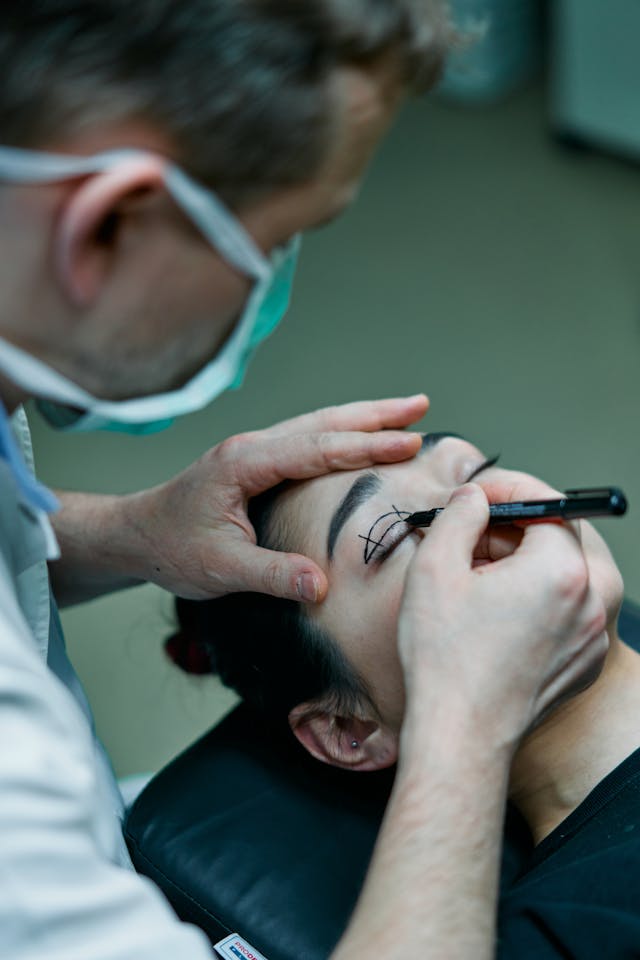
Those exploring nipple reconstruction in Denver will find a range of techniques, each tailored to the patient’s body and aesthetic desires. Surgeons like Dr. Justin Cohen stress the significance of selecting methods that align with each patient’s unique anatomy and goals. Knowing your options can empower you and alleviate concerns about what lies ahead.
4. How Will Your Results Look in Context?
Consideration of symmetry and overall appearance is essential. Since every breast heals differently, some cases may require minor adjustments for balanced size or shape. Surgeons strive for harmony, but perfect symmetry isn’t always attainable.
By visualizing your goals and discussing them openly, you can mitigate potential surprises. Some patients opt to combine nipple reconstruction with subtle modifications to the breast mound to enhance the overall aesthetic. Often, even minor adjustments can significantly boost confidence and satisfaction.
5. Is Your Skin Prepared for the Procedure?
The condition of your skin is crucial for the success of the reconstruction. Thin or scarred skin, or tissue that has undergone radiation, might need additional planning. Some patients benefit from pre-procedure treatments such as scar management or minor grafting.
Being aware of these factors can help you set realistic expectations about projection, texture, and overall outcomes. Healthy, well-prepared skin is vital for effective healing and reduces the likelihood of complications.
6. Are You Emotionally Ready?
Nipple reconstruction can offer closure and restore confidence, but it’s a deeply personal choice. Feeling ambivalent or pressured may impact your satisfaction with the results.
Engaging in discussions with a counselor, maintaining a journal, or joining support groups can be beneficial in assessing your readiness. Many women find that expressing their expectations and concerns prior to the procedure helps them approach it with a tranquil and clear mindset. Emotional preparedness ensures that your decision is significant and not made hastily.
7. Have You Consulted an Experienced Surgeon?
Selecting the right surgeon is paramount. Experienced professionals understand both the technical and aesthetic aspects of nipple reconstruction. The best clinics focus on patient-centered care, guiding individuals to make informed decisions about their options, recovery, and realistic expectations.
A consultation also provides you with the opportunity to inquire about recovery, aftercare, and long-term maintenance. Grasping the full scope of the procedure can bolster your confidence and ensure you have realistic expectations about its outcome.
8. Have You Considered Long-Term Sensation and Follow-Up Care?
It’s essential to acknowledge that nipple sensation may change after reconstruction. Some patients regain partial feeling over time, while others experience little to no change. Being forewarned allows for setting realistic expectations.
Follow-up care is also critical. Small adjustments or touch-ups, such as 3D tattooing for color or minor shape revisions, may be needed to maintain satisfactory results.
Discussing long-term maintenance with your surgeon will prepare you for ongoing care, eliminating unexpected surprises.
Final Thoughts
Nipple reconstruction is a personal journey shaped by physical readiness, aesthetic aspirations, and emotional preparedness. By thoughtfully considering healing, health, technique, skin condition, and your mental state, you can determine if this procedure is right for you.
Seeking guidance from an experienced surgeon ensures your approach is tailored to your unique needs, providing clarity and confidence on your path toward feeling whole once again.
Add Your Comment