Considering a change to your nose can be a significant decision since it is positioned centrally on your face. For many, it’s about achieving harmony, while for others, it’s about improving breathing. Making this change is a serious choice, and clarity often begins at the consultation stage.
If you’re thinking about undergoing rhinoplasty in Charlotte, NC, you’re probably already looking into surgeons and contemplating what your initial consultation will entail.

If you’ve never had a meeting with a plastic surgeon before, you might be curious about what occurs during the consultation. Will it be awkward? Will it be filled with medical jargon? Must you make decisions immediately?
Here are five key aspects you can anticipate during a rhinoplasty consultation so you can feel prepared and informed:
1. An Honest Discussion About Your Objectives
The consultation typically kicks off with a straightforward question: What brings you here?
You’ll discuss what aspects of your nose you appreciate and what you’d like to change. Some patients mention a bump on the bridge, others might express concern about a drooping tip or wide nostrils. Some simply feel, “It doesn’t represent who I am.” Each of these perspectives is essential.
While exploring options like rhinoplasty in Charlotte NC, you may notice that skilled practices prioritize understanding your desires before simply taking measurements. Clinics like PPSD emphasize that the consultation is a crucial part of the journey as it establishes mutual understanding between the patient and the surgeon. You will likely review before-and-after images together and discuss what is achievable for your face. Additionally, the surgeon will inquire about your age, medical history, and any previous surgeries to determine your candidacy.
The best consultations resemble thoughtful conversations rather than hard sells, leaving you feeling acknowledged.
2. A Detailed Analysis of Your Facial Structure
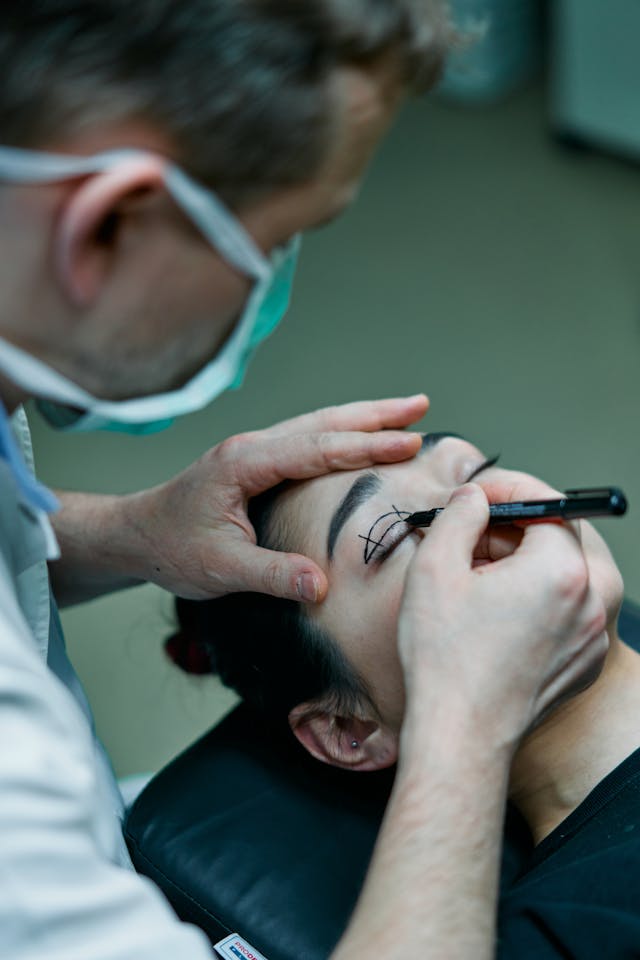
After discussing your goals, the surgeon will evaluate your nasal structure and overall facial aesthetics.
They will assess:
- The shape and size of your nose
- Your skin thickness
- The structure of your cartilage and bone
- How your nose complements your chin, cheeks, and forehead
Rhinoplasty is not merely about making the nose smaller or straighter; it’s about achieving facial balance. A slight alteration at the tip can transform the overall appearance of your face.
According to the American Society of Plastic Surgeons, rhinoplasty remains one of the most popular cosmetic surgeries in the U.S., with over 45,000 procedures performed in 2022 alone. Such demand signifies that surgeons have encountered a variety of nose shapes and concerns, reinforcing the necessity for customization.
3. Candid Discussion About Feasible Outcomes
This is where clarity around expectations is established.
You might bring inspiration photos, which is common. The surgeon will examine them and communicate what may or may not be feasible for your features. A nose that looks appealing on someone else may not suit you the same way.
Most patients value honesty at this stage. If a specific change could appear unnatural or hinder breathing, a reputable surgeon should articulate that.
You will also discuss the difference between subtle enhancements and more dramatic changes. Minor adjustments can yield impactful results; sometimes, less truly is more.
This part of the consultation can feel personal. Given that you’re discussing your face—something you see every day—asking questions is encouraged and taking your time is perfectly acceptable.
4. An In-Depth Overview of the Procedure and Recovery
Once you and the surgeon align your objectives, you will cover the practical aspects next.
You will likely discuss:
- Whether you will undergo open or closed rhinoplasty
- Incision placements
- The type of anesthesia to be used
- Typical duration of the surgery
- The expected recovery during the first week
Recovery often raises significant concerns. Most patients experience swelling and bruising around the eyes for the first week or two. A splint will typically be worn for about seven days, and while many individuals return to work within one to two weeks, final outcomes can take up to a year to fully emerge. Recovery is a gradual process.
You will also be informed about potential risks—even if they are minimal. Every surgery carries risks and side effects, and a responsible consultation should address these concerns without downplaying them.
5. Opportunity to Ask Questions and Reflect
The discussion doesn’t conclude with signing a form; it wraps up only when you feel fully informed.
Bring your questions and jot them down if needed. Common queries include:
- How many rhinoplasty procedures have you performed?
- Can I see before-and-after images of patients with similar nasal features?
- What if I am dissatisfied with the results?
- How do you manage complications?
Use this time to reflect on how the conversation makes you feel. Are you feeling rushed or supported?
A thoughtful consultation should leave you with more clarity than when you arrived. You should grasp the proposed plan, the recovery process, and the potential results. Additionally, you should feel comfortable taking a step back to consider your decision.
Some individuals opt to book surgery immediately, while others may need time to contemplate their choices. Both reactions are completely normal.
Final Thoughts
A rhinoplasty consultation is not as enigmatic as it may seem. It is a focused, personal dialogue about your aspirations, anatomical considerations, and achievable results.
You can expect to converse, listen, examine photos, and learn about healing timelines that necessitate patience. Ultimately, you should leave with a clearer understanding of whether moving forward feels right for you.
Add Your Comment