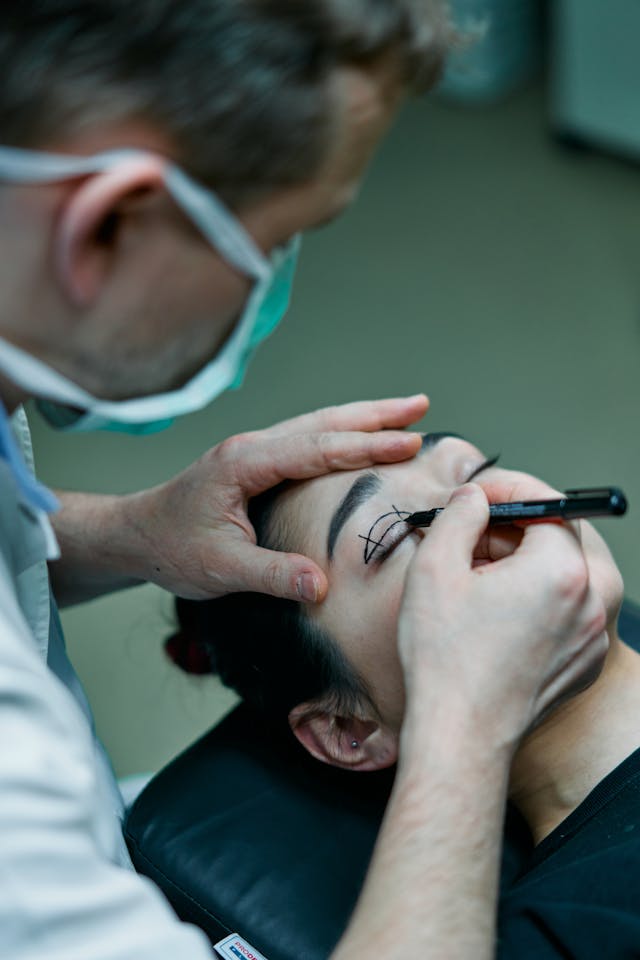
In a city like Denver, where outdoor activities are integral to the lifestyle and activewear is commonplace, many individuals find that body confidence is closely linked to comfort. Concerns about the abdomen can start subtly; perhaps it’s loose skin after significant weight loss, a persistent lower belly that resists exercise, or changes felt after pregnancy.
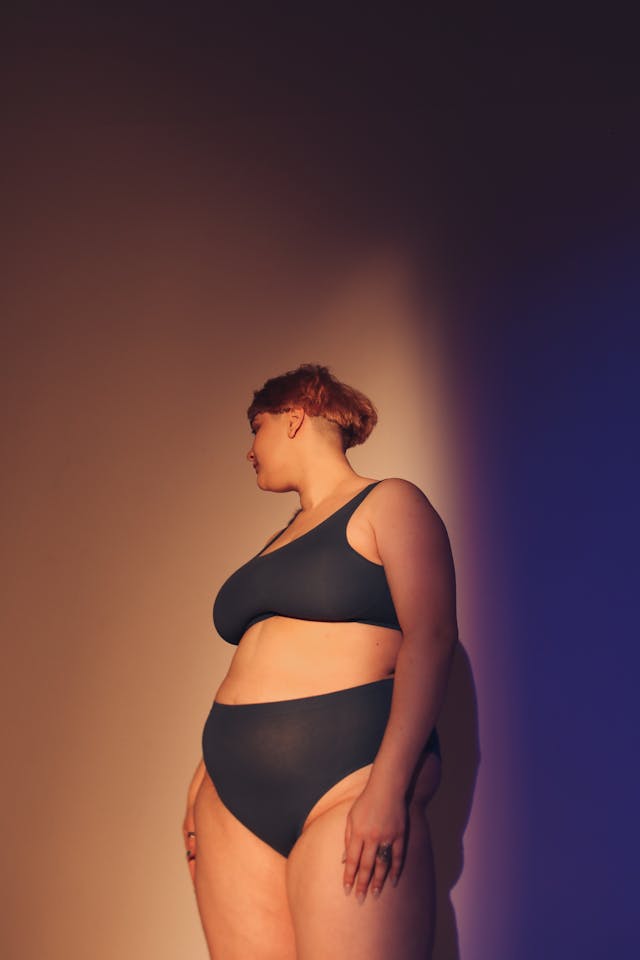
Non-surgical methods offer promises of tightening and reshaping with little downtime, and for some, these solutions are effective. However, there are instances when these methods do not effectively address the root cause of the issue. Thus, the priority shifts from simply avoiding surgery to selecting a solution that genuinely addresses the underlying concerns.
Here are some situations where a tummy tuck may be a better option than non-invasive treatments.
- Loose Skin That Doesn’t Improve With Exercise
If you’ve significantly lost weight or experienced pregnancy, the skin may have been stretched beyond its ability to retract. No amount of core workouts or tightening methods can remove that excess skin. While some devices may slightly improve mild skin laxity, they cannot eliminate excess tissue.
At this point, many individuals consider options such as a tummy tuck in Denver, especially after realizing that surface-level treatments won’t resolve physically stretched skin.
Instead of merely speculating about the cause, many seek professional evaluations to determine what is genuinely happening beneath the surface. Thus, consultations help clarify whether concerns arise from skin laxity, muscle separation, or excess tissue. Understanding this distinction is vital, as non-surgical treatments cannot remove redundant skin.
If the difficulty stems from structural issues rather than superficial appearance, surgery may be the more pragmatic approach.
- Diastasis Recti: An Issue Beyond Exercise Repair
Post-pregnancy, many women experience diastasis recti, where abdominal muscles separate. This condition is not visibly apparent but can be felt; the abdomen may bulge even at a healthy weight, with compromised core strength.
Non-surgical methods do not repair muscles; they may slightly tighten skin, but they won’t bring separated abdominal muscles back together.
A tummy tuck directly addresses this issue, repairing and tightening the underlying muscle layer, often resulting in a flatter abdominal appearance and enhanced core support. Many are surprised to discover that a significant portion of their perceived “belly” results from a weakened structure rather than excess fat.
Once muscle separation is established, surgical options shift from being about aesthetics to necessary corrections.
- Once You’ve Reached a Stable Weight
Non-invasive treatments are often advertised as quick fixes for contouring and can be beneficial for small fat deposits. If you’ve achieved your target weight but remain unhappy with the shape of your abdomen, it may point to underlying concerns beyond excess fat.
At a stable weight, any persistent fullness is likely linked to skin laxity or structural changes rather than fat volume. Consequently, pursuing non-surgical options might lead to frustration and unwarranted expenses without significant results.
This shift often leads to a change in expectations. Instead of asking, “What’s the least invasive option?”, the focus becomes, “What will actually resolve this issue?”
Gaining clarity often comes from understanding what the body is capable of achieving naturally.
- Opting for Structural Correction Instead of Temporary Tightening
Non-surgical methods often provide gradual and modest improvements, which can work well for minor concerns. However, if you’re aiming for a marked transformation, these treatments may not suffice.
A tummy tuck not only removes excess skin but also tightens muscles and reshapes the abdominal area. The results are evident right away after the swelling decreases, as opposed to the incremental changes seen with non-invasive methods.
Some individuals go through several rounds of non-invasive treatments before realizing they were seeking results that only surgical options could provide. Starting with conservative treatments is perfectly fine, but it’s essential to be realistic about the level of improvement expected.
If the ultimate goal is a flatter, firmer abdomen with a noticeable structural change, surgery might align better with those expectations.
- Acknowledging the Limits of Non-Surgical Approaches
It’s common to initially explore non-surgical options as they seem lower risk and less daunting. However, if you have already dedicated time and funds to such treatments without achieving meaningful results, that experience can provide important insights.
Repeated sessions yielding minimal change can lead to fatigue and disappointment. Eventually, the question shifts from considering “one more treatment” to reevaluating the core concern.
When this realization occurs, consulting a surgeon does not indicate a failure of non-surgical methods, but rather a thoughtful reassessment based on actual results.
Sometimes, our bodies convey specific needs.
- When Clothing Fit and Comfort Become Daily Sources of Frustration
Beyond just appearances, changes in the abdomen can significantly affect comfort in daily life. Waistbands can roll, fabric may bunch up, and fitted clothing can feel constrictive in specific areas.
These minor irritations accumulate. They may not be overtly dramatic, but they persist.
While non-surgical treatments may offer some smoothing or slight tightening, they rarely eliminate the physical excess skin contributing to folds or overhangs. A tummy tuck effectively tackles this excess tissue head-on.
For many, the goal isn’t perfection, but rather the comfort of wearing everyday clothing without constant readjustment or the need to conceal problem areas.
- When You’ve Completed Your Family Planning
Timing is critical. A tummy tuck is best considered after you have finished having children, as future pregnancies can stretch the skin and muscles again, potentially undoing surgical results.
In contrast, non-surgical treatments do not impose the same long-term structural implications, which is why some individuals choose to delay surgery while family plans are still unfolding.
However, once that chapter is closed, the desire for a more permanent solution often becomes more tangible. Planning around life phases ensures that results are in line with long-term aspirations rather than short-term needs.
Conclusion
Non-surgical options have their merits. They can provide subtle enhancements and refine body contours. For minor laxity or small fat pockets, they might suffice.
However, when facing issues like excess skin, muscle separation, or considerable contour changes, a tummy tuck addresses the underlying problem rather than merely the surface appearance. The choice becomes clearer once you understand what is truly causing the changes in your body.
Ultimately, it’s not about opting for surgery versus non-surgical care out of haste; it’s about selecting the approach that genuinely suits the anatomy, goals, and current life stage. When treatment expectations align appropriately, results tend to be more satisfying and significantly less frustrating.
Add Your Comment