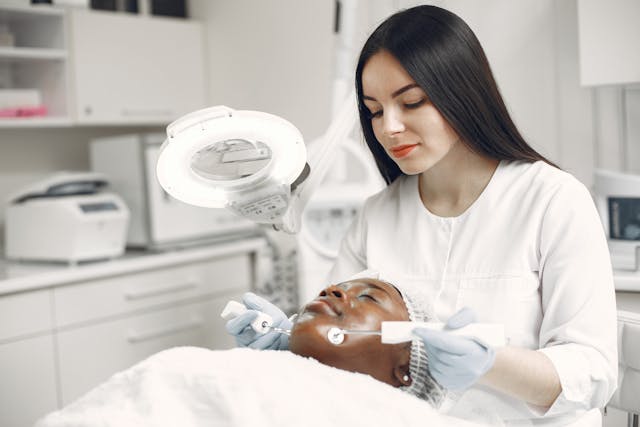
Nurses play a crucial role in shaping the recovery journey of patients, often having a greater impact than one might think. Their presence significantly affects patients’ comfort, safety, and confidence at every phase of care. A patient may arrive at a hospital with uncertainty, but the steady guidance of a nurse can transform the experience into one of reassurance.
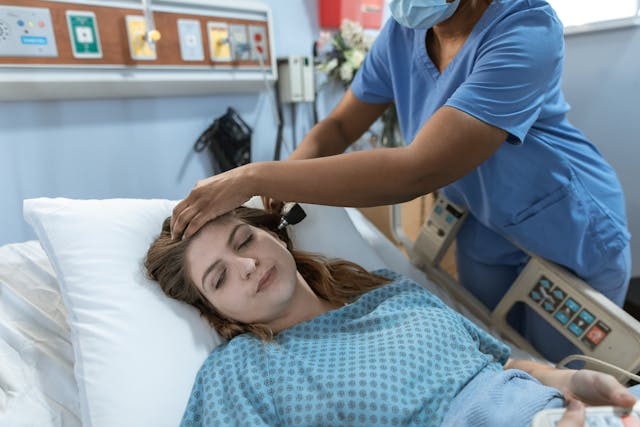
Combining clinical expertise with emotional insight, nurses enhance treatment outcomes across diverse conditions. Each interaction is meaningful, and the decisions nurses make are essential for achieving healthier, more stable results. Their responsibilities extend well beyond routine tasks, revealing a transformative potential within the nursing profession.
The Central Role Nurses Hold in Modern Healthcare
Healthcare teams rely on nurses to highlight and address patients’ needs. Nurses are adept at noticing subtle changes that may go unnoticed in the hectic clinical environment. As patients typically spend the most time with nursing staff, trust often develops during daily care interactions. This trust serves as a vital foundation, helping patients feel supported throughout their treatment.
Nurses facilitate discussions, clarify care plans, and engage patients in their recovery journey. These consistent interactions provide a sense of structure during times that can otherwise be overwhelming or confusing, contributing to a more coherent care experience.
The Human Connection that Elevates Patient Recovery
A nurturing environment fosters healing. Patients tend to thrive in spaces where communication is open and genuine, and nurses are instrumental in creating this environment through their regular presence and attentive listening. When patients feel acknowledged, they are more inclined to share critical information regarding their symptoms and concerns.
Such insights can guide treatment decisions and bolster cooperation between patients and their care teams. Strong interpersonal skills are essential, as soft nursing skills help foster rapport, alleviating stress and enhancing confidence. When nurses engage with patients using empathy and clear communication, they facilitate a more cooperative recovery process.
The Impact of Clinical Judgment on Treatment Success
Clinical judgment directs nurses in assessing swiftly changing situations. A minor shift in a patient’s breathing or alertness might alert a skilled nurse to a deeper issue, allowing for early intervention that can prevent complications. Nurses skillfully blend their experiences, education, and intuition rooted in evidence-based practices to make informed decisions.
This proactive decision-making enhances the effectiveness of treatment plans. Patients stand to gain when nurses articulate concerns clearly, respond swiftly, and assist in coordinating subsequent steps. Strong clinical judgment enhances safety and is pivotal to ensuring smooth transitions toward stability.
The Importance of Patient Education and Advocacy
Providing clear explanations helps patients understand the significance of their care components. Nurses fulfill the crucial role of answering questions, which not only builds confidence but also encourages adherence to treatment plans. Advocacy is vital, as nurses prioritize the needs of patients, ensuring they remain central to care delivery.
Nurses advocate on behalf of patients when treatment plans appear misaligned or when patients voice discomfort or confusion. This advocacy protects patient rights and fosters greater involvement in decision-making. Informing and respecting patients can lead to a sense of ownership in their care, enhancing long-term outcomes.
The Influence of Nurse-Led Coordination Across Care Teams
Effective care hinges on seamless communication among healthcare providers. Nurses bridge the gap between specialists, physicians, therapists, and families, providing clarity about patient conditions. This coordination minimizes misunderstandings that could delay treatment or cause undue stress.
Patients benefit from fewer interruptions in their care when nurses manage updates, clarify instructions, and motivate consistent follow-through. Team members depend on nurses to keep care plans cohesive, especially when multiple disciplines are involved, facilitating smoother transitions through recovery stages.
The Role of Cultural Awareness in Improving Care Quality
Patients bring various beliefs and customs shaped by their personal experiences and cultural backgrounds. Cultural competence empowers nurses to engage with each patient respectfully and with curiosity. Meaningful care emerges when communication aligns with a patient’s values and preferences.
A patient who feels understood is more likely to participate openly during assessments and discussions. This openness enables nurses to gain better insights into symptoms, lifestyle influences, and potential treatment obstacles. Additionally, cultural sensitivity helps avert misunderstandings that could hinder progress.
The Strength Nurses Bring During High-Stress Situations
Medical emergencies require both emotional resilience and clinical expertise. Nurses provide stability in high-pressure situations, offering calm guidance that enables teams to act decisively. Their presence calms frightened patients, supports families during challenging moments, and fosters effective communication among colleagues during crises.
These competencies develop through extensive experience across various situations. Patients benefit from this reliable presence, which instills confidence and safety, even in uncertain times.
The Long-Term Value of Nurse-Patient Relationships
Strong nurse-patient relationships enhance the caregiving atmosphere and positively affect outcomes well beyond a hospital stay. Many patients recall the supportive conversations they had with nurses, which can shape their future health decisions.
Trust cultivated during treatment encourages patients to adhere to medication regimens, attend follow-up appointments, and adopt healthier lifestyles. Nurses are pivotal in guiding patients through lifestyle changes, providing encouragement during challenges, and helping them grasp what meaningful progress entails. These enduring relationships transform brief interactions into lasting motivation for better health.
Nurses significantly influence patient outcomes by blending knowledge, communication, and compassion. Their ability to recognize subtle changes, clarify complex information, and guide patients through stressful experiences shapes every stage of care. Trust thrives when nurses actively listen and respond with clarity, ultimately enhancing recovery.
Coordination among teams flows more efficiently when nurses ensure that communication remains transparent and every aspect of the care plan aligns with patient goals. Their cultural sensitivity, emotional steadiness, and commitment to building relationships extend far beyond technical tasks, leading to improved patient outcomes driven by intentional, compassionate action.
Add Your Comment