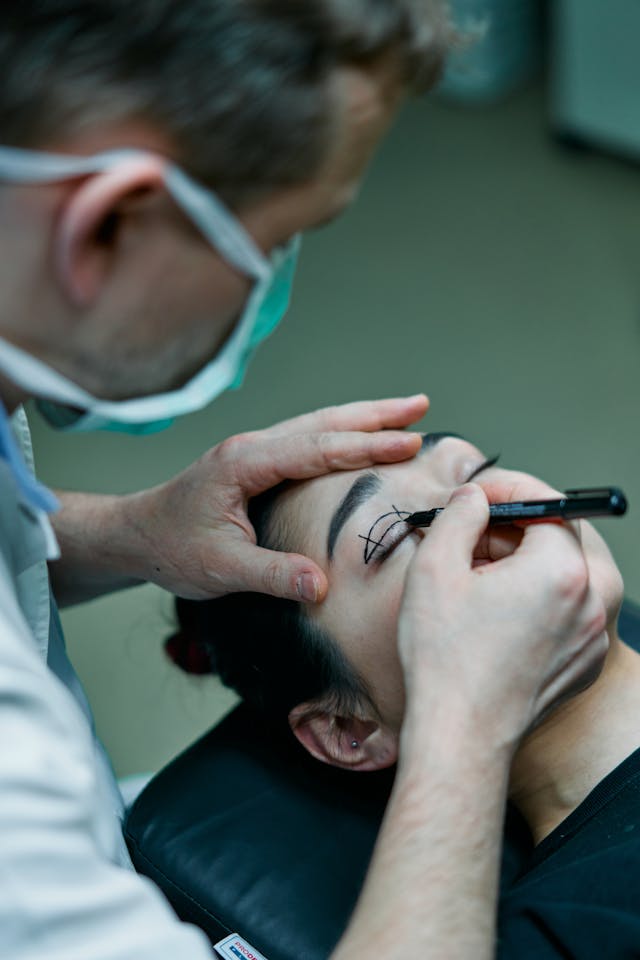
Considering a nose job might feel like the ideal way to address an insecurity that has bothered you for a long time. Perhaps it’s that bump you’ve always noticed, difficulty breathing, or the desire for better facial symmetry. Regardless of your motivation, opting for surgery is a significant commitment and warrants more than just a brief consultation and hopeful wishes.

For individuals in Dallas, this decision may feel less daunting due to the prevalence of the procedure. With advertisements circulating and feedback from friends, it’s essential to take a moment to make informed decisions before surgery day.
The following checklist highlights the key considerations to keep in mind.
1. Clarify Your Reasons for Surgery
This might seem straightforward, but many people overlook it. Are you aiming to resolve a breathing issue, alter your nose’s shape, or both? Are you looking for subtle changes, or something that will be immediately noticeable to others?
Take the time to write down your reasons. When anxiety arises later on, having clear motivations will help guide your questions and minimize hasty decisions.
This practice also helps manage expectations. While a nose job can indeed reshape and improve functionality, it won’t transform your entire life. Those who enter with realistic expectations typically experience greater satisfaction afterward.
2. Research the Surgeon Thoroughly
While photos are important, they are just one part of the equation. It’s crucial to find out how frequently the surgeon performs rhinoplasties, how they handle revisions, and their approach to different facial types.
There are numerous plastic surgeons offering nose jobs in Dallas, but it’s essential to choose a board-certified surgeon who addresses both the aesthetic and functional aspects of your nose. Leading clinics like MEADE Aesthetic Surgery are known for performing rhinoplasties with a focus on enhancing nasal structure and resolving breathing issues, while ensuring natural-looking outcomes. Such providers should be at the top of your list.
Check their website for before-and-after galleries and read patient reviews to gain a better understanding of what to expect.
3. Prepare for Your Consultation
Don’t walk into your consultation unprepared. Bring along images of noses you admire, but also be receptive to the surgeon’s input. Remember, your features are unique, and attempting to replicate someone else’s results seldom works well. Prepare a list of questions to engage the surgeon effectively.
Consider asking the following:
- How will this affect my breathing in the long term?
- Which areas of my nose can realistically be altered?
- What will recovery typically look like at home?
Pay attention to how clearly the surgeon addresses your queries. If responses feel hurried or dismissive, that may be a warning sign.
4. Disclose Your Health History
It may not be the most thrilling part, but discussing your health is crucial for a successful outcome. Be transparent about allergies, previous surgeries, and any medications you’re taking. Certain commonly used supplements and pain relievers can elevate the risk of bleeding.
You may need to pause specific medications a few weeks prior to surgery. Adhere closely to these guidelines to avoid complications or delays in healing.
If you have pets, plan accordingly. Energetic dogs and inquisitive cats may not be ideal companions during your recovery. Arranging care for them can help ease your healing process.
5. Arrange Time Off for Recovery
People often underestimate the recovery phase. Although bruising may diminish within a couple of weeks, swelling can linger for much longer. You might feel perfectly fine one day and completely drained the next.
Clear your agenda. Obtain help if necessary and stock up on soft foods, pillows, and easy meal options. For pet owners, designate quiet zones to avoid disruptions during recovery.
Prioritizing a calm recovery is not laziness; it contributes to better healing and fewer regrets.
6. Be Aware of Risks and Recovery Timelines
Every surgery comes with its risks, including infection, changes in breathing, and uneven healing. A competent surgeon should discuss these openly, without sugarcoating the facts.
Additionally, keep in mind that achieving final results takes time. Swelling can persist for months, particularly at the tip of the nose. Initial outcomes are often not indicative of the end result.
We’ve noticed that patients who prepare for a lengthy healing process tend to feel more at ease when minor changes occur along the way.
Concluding Thoughts
A nose job involves more than just aesthetics; it encompasses breathing, balance, healing, and patience. By taking the time to prepare, the entire process can feel less intimidating and more manageable.
If you’re thinking about undergoing rhinoplasty, especially in a bustling area like Dallas, utilizing an efficient checklist keeps you focused on essential information rather than distractions. Ask insightful questions, plan your recovery, and be mindful of factors in your home life, including pets and daily routines.
Thorough preparation may not eliminate all surgical risks, but it does bolster your confidence as you approach the procedure. That confidence will guide you through recovery and help you achieve results you can comfortably embrace.
Add Your Comment