Planning your outings should be a breeze, not a source of stress. A few quick steps can help you save time, avoid missed opportunities, and steer clear of unnecessary detours. Follow the tips below to solidify your preparations before you embark on your journey, making it a simple and beneficial routine.
The Importance of Verification Before You Depart
Incorrect information can cost you time and money. While minor errors like a misplaced door or outdated schedule might seem trivial, they can quickly accumulate. An FTC analysis of consumer complaints from 2024 revealed that countless individuals reported issues, highlighting how often assumptions lead us astray.
Verify Location – Address and Entry Details
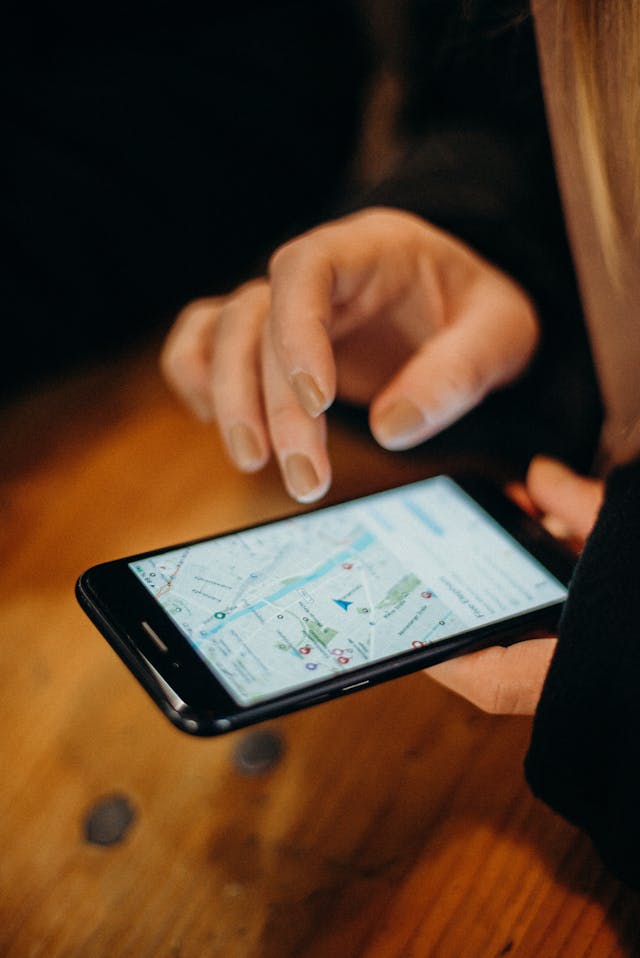
Begin by confirming the exact street address and any pertinent entrance instructions. If the location is part of a complex, check for suite numbers, building identifiers, or floor information. Dropping a pin on your map and examining the exact entrance can significantly reduce the chance of getting lost. If you want added reassurance, you can locate and verify any address to ensure your mapping aligns with the actual site. Save the information in your notes to easily share with others if they join you.
For larger venues, utilize satellite views and street images to identify loading zones, guest entrances, and ramps. If the signs appear inconsistent between images and your map, a quick call to the front desk can clarify any doubts.
Confirming Schedule – Hours, Closures, and Tickets
Double-check the hours on the official website and cross-reference with the business profile and social media updates. Be alert for holiday hours or seasonal changes. When tickets are necessary, verify the time slot in your confirmation email and note any early entry stipulations.
Watch for Temporary Modifications
Unexpected pop-ups or renovations can alter schedules or entrances with little warning. If the update dates appear outdated or missing, consider the information unverified. A quick call or chat can save you a lengthy drive.
Weather Conditions Can Impact Your Plans
Even simple plans can be disrupted by weather changes. Check the forecast for your timeframe and specific area. If you’re driving, observe the route forecast in addition to your destination’s conditions.
The National Weather Service provides travel maps detailing likely conditions along highways, helping you anticipate issues with wind, snow, or fog ahead of time. If inclement weather is anticipated, give yourself a buffer of time. For outdoor events, inquire with the host about alternative plans in case of rain.
Cross-check Information with Multiple Sources
One source can sometimes be inaccurate. A few quick checks can give you a clearer overall understanding. Compare information across official websites, map listings, and recent reviews.
- Look for recent updates or posts
- Ensure the same contact number is listed across all sources
- Verify that hours match on at least two different listings
- Read the latest 3 to 5 reviews for insights on any changes
- Check timestamps on images for new signs or entrances
If discrepancies arise, assume the most conservative details until you can confirm live. This may mean an earlier closing time, a ticket limit, or an entrance change.
Call or Chat for Up-to-Date Answers
Front desks and event coordinators typically have the latest information on closures, private events, or last-minute policies. Keep your inquiries concise and to the point, asking about today’s hours, the appropriate entrance, and any identification or payment requirements.
Suggested Script
You could say: “Hi, I’m arriving around 3. Can you confirm today’s hours, the entrance I should use, and if parking is available on-site?” This brief script will help you get the answers to the three main concerns that often cause complications.
Consider Logistics – Transportation and Parking
Routes may change due to construction, parades, or special events. Check your mapping app for live traffic updates, and also look for advisories from the city or venue regarding the event. If you plan to drive, confirm details about the garage name, entry street, and payment methods.
- Set a backup route in case a ramp is closed
- Take a screenshot of your parking reservation and QR code
- Check the garage height limit if driving an SUV
- Verify whether the parking lot closes overnight
- Allow an extra 10 minutes for elevator or stair access
For public transit, confirm the name of your stop and the appropriate direction. If the platform serves multiple lines, ensure you’re on the correct side for your destination. Set an alarm to remind yourself to start walking just before your bus or train is scheduled to arrive.
Tickets, Reservations, and On-site Policies
Review the details regarding entry windows and identification requirements in the fine print. Some venues may insist on having the original buyer’s credit card, even if your QR code works fine. If you plan to carry a bag, make sure to check the size restrictions and permitted items.
Helpful Backups
Send tickets to a travel companion or save them in a shared wallet. If you might encounter poor service, keep PDFs accessible offline. For dining plans, identify a backup restaurant nearby, just in case you face a long wait.
Prepare for the Future – Notes, Screenshots, and Backups
Once you have confirmed the essential details, consolidate them in a familiar location. Record the exact address, entrance instructions, suite numbers, or floor information, adding a nearby landmark into your calendar event. Include the phone number, booking references, and the name of the parking garage along with the entry street. Drop a pin on the map, name it with the location and date, and attach it to the same calendar event for easy access.
Take screenshots of the route, hours, ticket details, and any social media posts regarding changes. Use markup features on your device to add labels like “Use south door – elevator to 3rd floor.” Save ticket PDFs for offline access and rename them with descriptive titles like “2026-02-10_museum_ticket.” Consider creating a reusable note template including: Address, Hours, Contact, Parking, What to Bring, Backup Option. A quick voice memo can also assist in detailing curbside instructions if they are complex.
Inconsistent information doesn’t indicate failure; it’s simply a signal to double-check. If the address appears valid but the photos don’t align, assume the label is outdated. If hours are inconsistent, adopt the earliest closing time until confirmed. This small habit of verifying information can transform a chaotic experience into a seamless one, allowing you to enjoy your carefully planned outing without the last-minute rush.
Add Your Comment