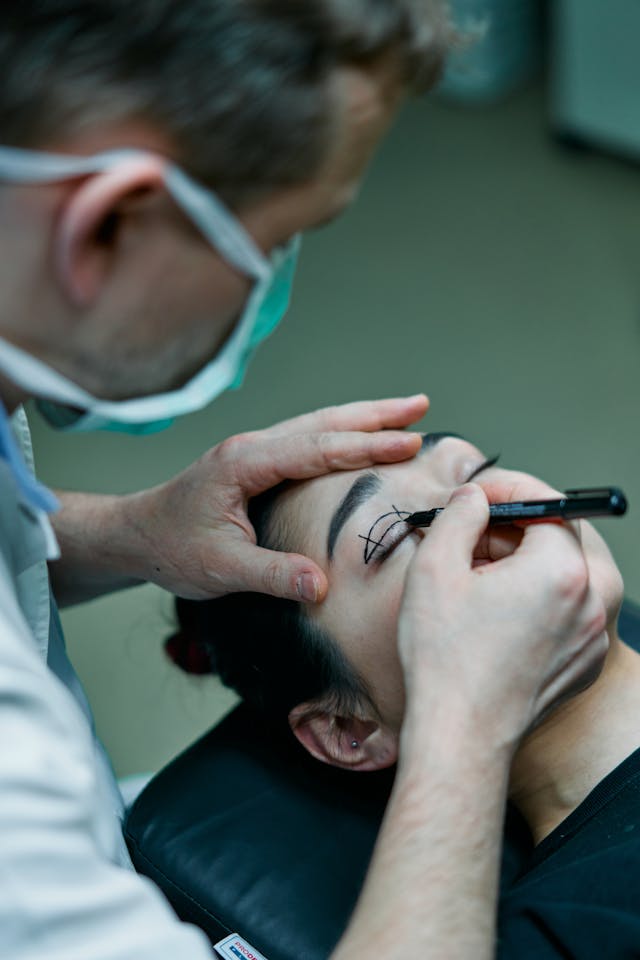
In today’s digital world, keeping your eyes healthy is more important than ever, as extended screen usage and environmental factors can significantly affect our vision. Regular eye check-ups, a nutritious diet, and safeguarding your eyes from UV exposure are essential practices for maintaining good eye health.
The blue light emitted by screens can disrupt sleep patterns and lead to digital eye strain. Simple habits like taking breaks from screens and wearing protective eyewear can help shield your eyes from potential long-term damage.
Schedule Regular Eye Exams
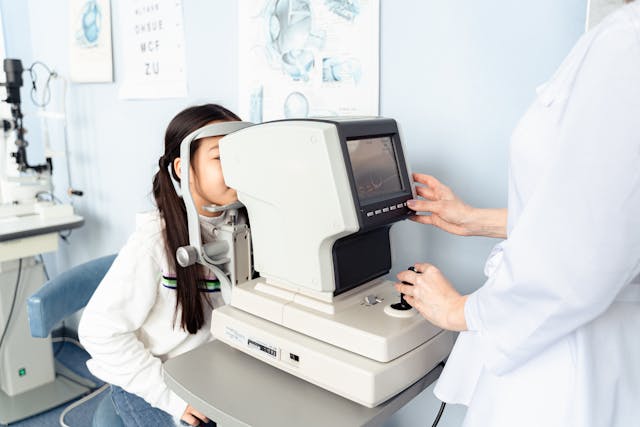
Regular eye exams are vital in spotting potential eye issues before they escalate. Even in the absence of noticeable vision changes, an eye exam can reveal early indicators of conditions such as glaucoma or macular degeneration. Optometrists can evaluate your eye health and suggest corrective lenses if necessary, which is crucial for preventing further complications.
It is essential for everyone—children, adults, and seniors—to have routine eye exams to ensure optimal eye function.
Identifying problems early can significantly impact your vision preservation. If you frequently use digital devices, your optometrist might recommend strategies to mitigate digital eye strain.
Reduce Blue Light Exposure and Screen Time
The blue light from digital screens poses a considerable threat to eye health. Extended exposure can lead to symptoms of digital eye strain, including dryness, irritation, and blurred vision, while also disrupting melatonin production and sleep patterns.
To decrease blue light exposure, implement the 20-20-20 rule: every 20 minutes, pause for 20 seconds and focus on something 20 feet away. This simple practice can significantly relieve strain and provide your eyes necessary rest.
Wearing blue light glasses can be an effective measure to filter harmful blue light, alleviating eye strain and improving sleep for those who spend substantial time on screens.
Shield Your Eyes from UV Rays
Similar to your skin, your eyes require protection from harmful UV radiation. Prolonged exposure can elevate the risk of cataracts and other severe eye issues. Therefore, wearing sunglasses that provide 100% UV protection when outdoors is critical.
Sunglasses with polarized lenses are especially beneficial, as they diminish glare from reflective surfaces such as water and roads, reducing eye strain and enhancing vision in bright conditions. Opt for high-quality sunglasses, since less expensive versions may lack adequate UV protection.
Wide-brimmed hats can also provide additional coverage from UV rays. These straightforward strategies are essential for maintaining eye health and preventing long-term damage from hazardous exposure.
Maintain a Nutritious Diet for Eye Health
Your diet has a direct impact on your eye health. Key nutrients such as vitamins A and C, as well as omega-3 fatty acids, are crucial for preserving retina health and preventing age-related vision problems. Incorporate foods like carrots, leafy greens, fish (like salmon), and nuts into your diet to support your vision.
The antioxidants found in foods like berries, spinach, and kale can protect your eyes from oxidative stress and damage. A nutrient-dense diet can slow the progression of macular degeneration, a leading cause of vision loss in older adults.
Eating a variety of these foods can give your eyes the essential nourishment they require for long-term health. A balanced diet supports not just your eyes, but your overall well-being.
Prioritize Rest for Eye Health
Sufficient rest is vital for maintaining healthy eyes. During sleep, your body and eyes recover from daily strain. Inadequate sleep can result in dry eyes, increased sensitivity to light, and potentially severe long-term vision issues.
Quality sleep plays a crucial role in the regulation of tear film production, keeping your eyes moist. Without enough sleep, your eyes may become irritated and uncomfortable, especially if you wear contact lenses.
Aim for 7-8 hours of restorative sleep each night to allow your eyes the time they need to rejuvenate. Healthy sleep routines benefit not only your eye health but your overall physical and mental well-being as well.
Ensure Proper Hygiene with Contact Lenses
For contact lens wearers, practicing proper hygiene is essential to prevent infections and maintain eye health. Always wash your hands thoroughly before handling lenses, and adhere to your eye care provider’s guidelines for cleaning and storage.
Avoid wearing your lenses longer than recommended and ensure you replace them as scheduled. Overwearing lenses can lead to discomfort, dryness, and increased risk of infections. Never sleep in your contact lenses unless explicitly instructed by your doctor, as doing so can decrease oxygen supply to your corneas.
Caring for your contact lenses is essential for keeping your eyes healthy and comfortable, preventing long-term issues like irritation or infections.
Commiting to eye care is a lifelong endeavor. Regular eye exams, effective UV protection, a wholesome diet, and ample sleep all contribute to maintaining healthy vision. Simple practices like wearing sunglasses, moderating screen time, and using protective eyewear can safeguard your eyes for the long haul.
By actively engaging in eye care and being mindful of the effects of technology, you can ensure your eyes remain sharp and vibrant for many years to come.
Leave a Comment