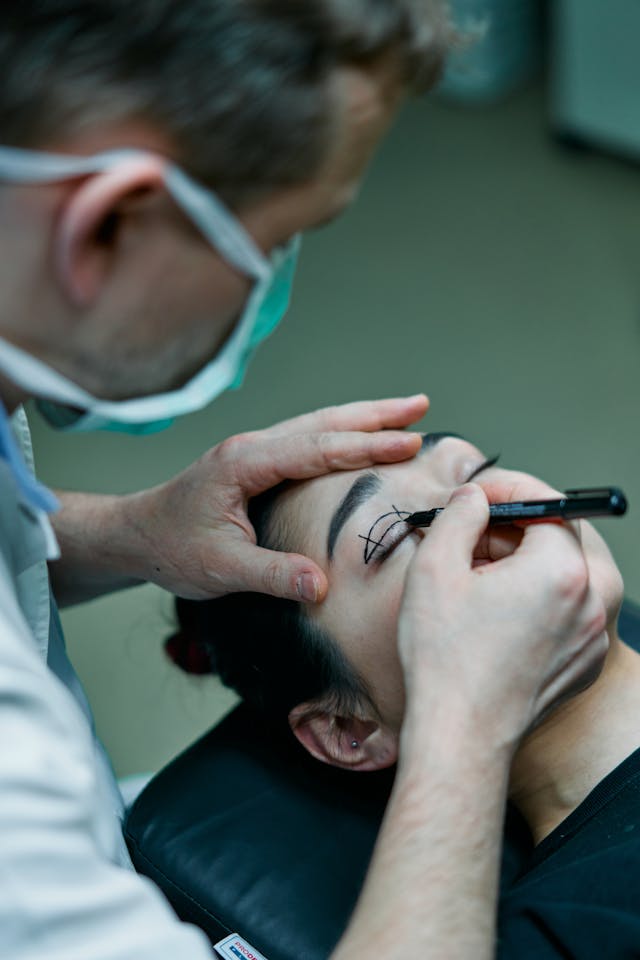
The skin around the eyes tends to be one of the first areas to reveal the signs of aging. As we age, this delicate skin loses elasticity, and the underlying facial structures begin to change. As a result, the eyelids can appear heavier, less defined, or not as smooth as they used to be. While changes in lifestyle, skincare routines, and non-surgical treatments can help with minor concerns, they may not tackle more significant structural issues.
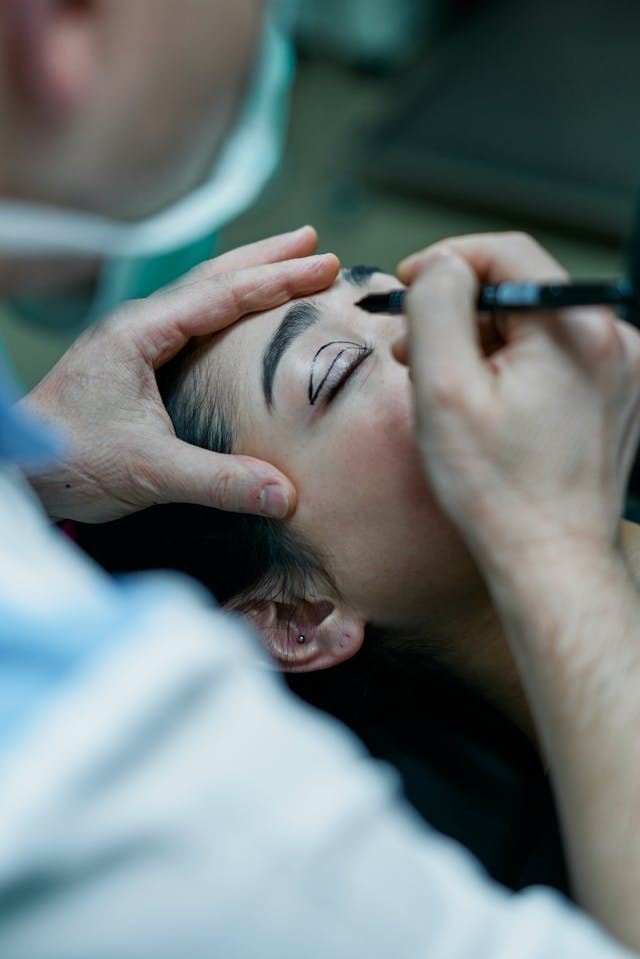
If you’re facing these issues, surgical alternatives like blepharoplasty might be worth considering. This procedure has become increasingly popular in cities such as Boston, where individuals are looking for discreet, natural ways to rejuvenate the eye region. It’s essential to understand what blepharoplasty can address if you’re contemplating this option.
Let’s dive in!
Your Eyes Look Constantly Tired
A persistent fatigued look around the eyes is often one of the first indicators many notice. Even after a restful night’s sleep, the eyes can seem heavy, shadowed, or less open. Conditions like drooping upper eyelids or excess skin may weigh down the eye area, creating a worn appearance that doesn’t reflect one’s true energy levels.
This heaviness can subtly impact facial expressions. Eyes are crucial for conveying emotions, and when they seem closed off or heavy, it can make the face appear older, less alert, or not as expressive. Over time, this may lead to a disconnect between how one feels internally and how they appear externally.
Excess Skin Interferes With Vision
In more severe cases, an abundance of skin on the upper eyelids can impede vision. When excess skin folds over the lash line, it may block part of the upper or peripheral field of sight, making daily activities—like reading, driving, or working on a computer—more difficult.
To compensate, many people unconsciously raise their eyebrows, creating tension in the forehead or experiencing strain in their eyes. When eyelid skin starts to impact both function and aesthetics, seeking further evaluation is often advisable to explore potential corrective measures.
Persistent Puffiness or Under-Eye Bags
Chronic puffiness under the eyes that doesn’t improve with sleep or lifestyle changes is another prevalent issue. Temporary swelling often caused by fatigue, allergies, or fluid retention usually fluctuates—often appearing worse in the morning and improving throughout the day. However, consistent under-eye bags are typically due to structural rather than temporary reasons.
As the support structures beneath the eyes weaken with age, fat pads under the lower eyelids may shift forward, leading to a rounded or puffy look. This fullness is not responsive to eye creams, cold compresses, or changes in sleep habits, as the issue originates from beneath the skin.
That’s why many consider surgical options to remove excess skin and correct underlying structural changes. Reports from individuals who have undergone blepharoplasty at The Spiegel Center in Boston often indicate a significant improvement in persistent puffiness. The procedure focuses on eyelid and eye health for a smoother under-eye contour.
Makeup and Skincare Are Less Effective
Many individuals notice that eye creams, serums, and makeup become less effective over time. While products might temporarily hydrate the skin, they do not address excess tissue or more significant structural changes. Makeup may exacerbate the appearance of puffiness rather than conceal it.
If concealers and skincare no longer yield the results they once did, it often indicates that the problem lies deeper than surface-level skin issues. This realization frequently leads people to seek professional assessment to uncover the root of their concerns.
You’ve Tried Non-Surgical Options Without Results
While non-surgical treatments can be effective for certain mild issues related to muscle movement or skin quality, they do have limitations. If injectables, skincare treatments, or lifestyle alterations fail to improve eyelid aesthetics, it’s likely because excess skin or displaced fat are significant contributors.
At this point, considering surgical alternatives may be necessary to address the underlying structural problems instead of merely managing symptoms. Recognizing this distinction helps in developing realistic expectations and informed decisions.
Closing Thoughts
Changes to the eyelids are common and often evolve gradually, yet they can significantly affect appearance, comfort, and vision. Recognizing the signs that blepharoplasty may be beneficial enables thoughtful, informed choices. With proper evaluation and a meticulous approach, eyelid surgery can effectively address concerns in a manner that appears natural, balanced, and suitable for each individual.
Add Your Comment