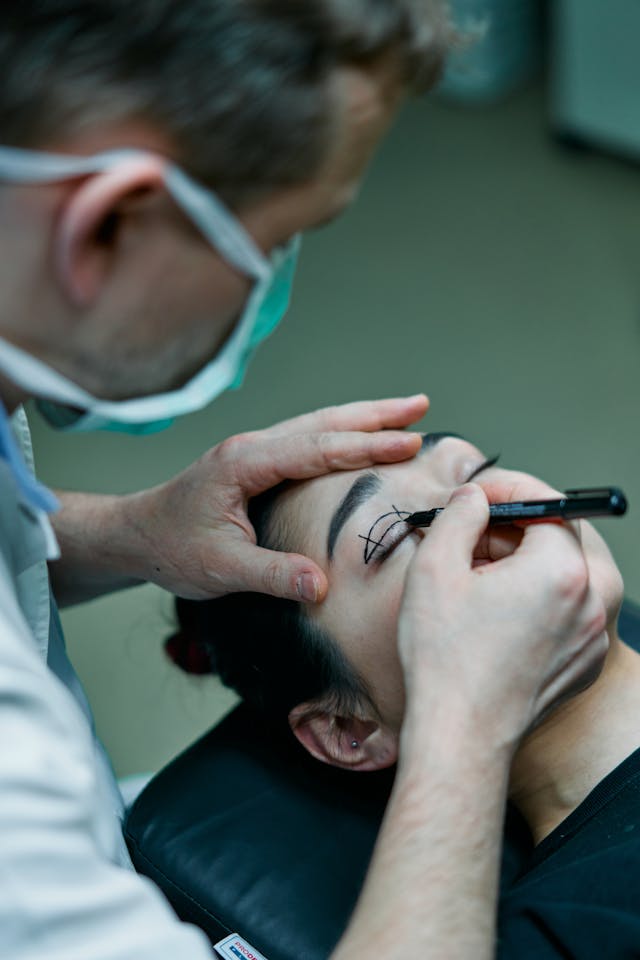
Facial aging occurs gradually rather than suddenly, manifesting as softer jawlines, deeper smile lines, and a subtle decline in facial definition that doesn’t match your inner sense of vitality and confidence. For many in Scottsdale and beyond, these changes aren’t merely a matter of appearance; they signify a disconnect between how you feel and what you see in the mirror.

A facelift often emerges as a serious option at this juncture—not as an impulsive choice, but after careful consideration. It’s crucial to acknowledge that this is a surgical procedure with lasting effects, and its success relies on the thoroughness of your inquiries as much as the skills of the surgeon.
Understanding what questions to ask—and the reasons behind them—distinguishes a well-thought-out decision from a hurried one. So, why wait? Let’s explore further!
- What Specific Concerns Do I Have—and Have They Been Ongoing?
Before considering surgical options, it’s essential to clarify your concerns. Are you observing sagging in your lower face? Is there a noticeable loss of jawline definition? Deepening smile lines that don’t improve with skincare or fillers?
Common indicators leading to facelift considerations include:
- Jowls along the jawline.
- Loose skin in the lower face or neck.
- A fatigued or heavy look despite feeling well.
- Facial changes that feel more structural than merely superficial.
It’s also vital to assess how long these concerns have persisted. Long-standing issues may indicate that surgical correction is more suitable than temporary fixes. If your worries vary with lighting, stress, or fatigue, exploring non-surgical alternatives may still be beneficial.
- Am I a Suitable Candidate from a Health and Timing Perspective?
Facelifts are dictated more by anatomy and health than by age; two individuals of the same age can be at vastly different points regarding facial aging and eligibility for surgery.
Surgeons typically evaluate:
- Overall physical health.
- Skin elasticity and quality of tissue.
- Smoking status and capacity for healing.
- Your ability to manage recovery responsibly.
Timing is also essential. Pursuing surgery during periods of high stress or significant life changes often places undue strain on recovery. It’s critical to determine whether now is the right time for surgery, in addition to considering whether a facelift is the appropriate choice.
This is where a consultation is essential. Clinics that provide facelifts in Scottsdale, like AdmireMD® Plastic Surgery, focus heavily on evaluating candidacy and timing instead of pressuring patients into immediate decisions. This consultative method helps align surgical options with physical readiness and long-term health.
- Do I Comprehend What a Facelift Can—and Cannot—Achieve?
One of the crucial questions to contemplate is whether your expectations are realistic. A modern facelift doesn’t involve tightening the skin excessively or drastically changing one’s facial identity. Rather, it aims to reposition underlying tissues and restore natural contours.
A facelift can:
- Enhance sagging in the mid-to-lower face.
- Restore jawline definition.
- Minimize deep folds and heaviness.
However, it cannot:
- Stop the aging process.
- Replace good skincare or healthy living practices.
- Address fine surface-level texture issues on its own.
Understanding these limitations helps set realistic goals and minimizes disappointment. Patients who approach a facelift as an opportunity for refinement rather than reinvention tend to report higher satisfaction with their outcomes.
- What Does Recovery Actually Entail for My Lifestyle?
Recovery is often underestimated—not because it’s extremely painful, but because it demands planning. While most patients return to their regular activities within weeks, complete healing is a gradual process that extends over several months.
Important questions to consider include:
- How much time should I realistically take off work?
- When can I resume exercise and social activities?
- What kind of support will I need during the initial recovery phase?
Normal aspects of healing include swelling, bruising, and temporary tightness. Having a clear understanding of the recovery timeline in advance can help you plan accordingly and avoid feeling unprepared.
- Am I Selecting a Surgeon Based on Trust, Not Trends?
Perhaps the most crucial question is why you are choosing a specific surgeon. Popularity on social media, discounts, or aggressive marketing should never outweigh the importance of experience, transparency, and clear communication.
An effective consultation should cover:
- Open discussion of risks and expected limitations.
- Clear explanation of the surgical plan.
- A willingness to decline performing the surgery if it’s not the right fit.
Surgeons who prioritize positive long-term results over quick decisions help patients feel informed, rather than coerced. Building trust throughout the consultation process can be as crucial as the eventual surgical outcome itself.
Final Thoughts
Considering a facelift is about more than recapturing youth—it’s about finding harmony between how you look, feel, and perceive yourself. By asking thoughtful questions regarding motivation, expectations, health, recovery, and expertise, you transform the choice from a hasty emotional leap into a knowledgeable and considered step.
When carefully considered and precisely executed, a facelift can provide lasting refinement instead of drastic change. When your decision is rooted in clarity rather than haste, the result tends to feel both successful and authentically right for you.
Add Your Comment