This post was sponsored by State Farm. All opinions are my own.
Our family is currently gearing up for our next vacation, and given our family’s size, transportation costs like airfare or gas can add up quickly. This year, we’ve made the decision to save some money by embarking on a road trip.

Road trips do require a bit more planning, but it’s entirely manageable. In addition to the usual “what to pack” checklist, it’s also important to consider the potential “what-ifs” that might arise during travel.
Assembling an emergency roadside kit is quite straightforward, and it’s best stored in an accessible area of your vehicle, like a bag or box with a lid.
Here are some essential items to consider including:
- Jumper cables
- Flashlight
- Emergency flat tire kit
- Hazard triangle, road flares, or brightly colored distress sign
- Disposable rain poncho
- Screwdrivers and wrenches
- First-aid kit
- Cell phone and charger
- Backup battery for your phone
- Cat litter or road salt for traction in snow or mud
- Duct tape for quick fixes
- Bottled water and non-perishable snacks
- Blanket
Having these items on hand can significantly improve your chances of handling a roadside emergency effectively.
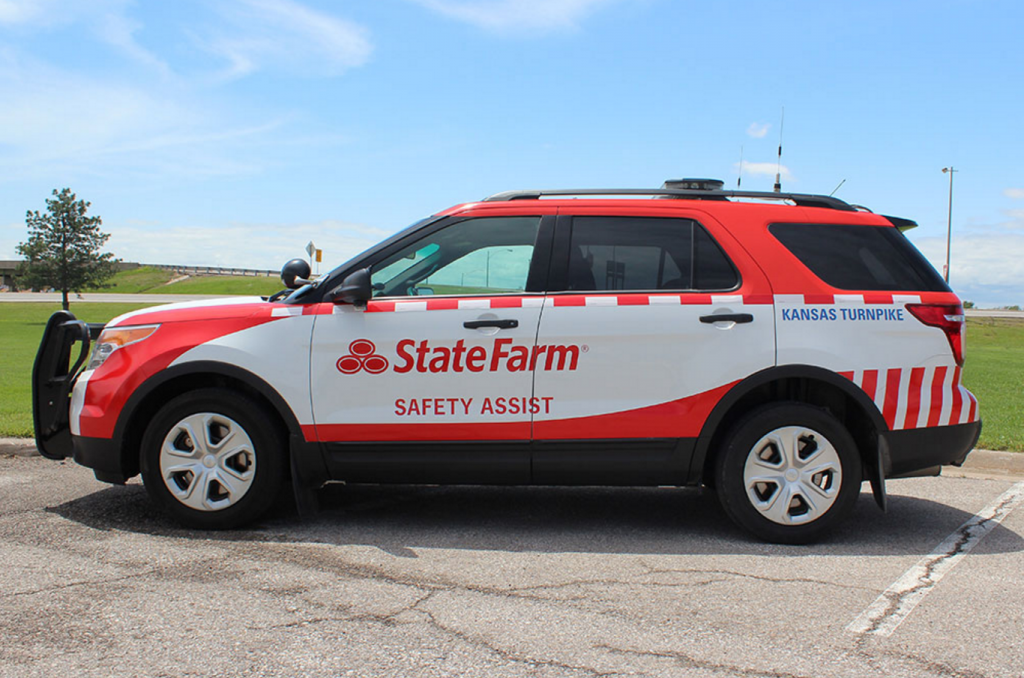
State Farm is dedicated to ensuring driver safety on the roads. They’ve partnered with state transportation agencies to enhance highway safety through the Assist Patrol program. This fleet of Assist Patrol vehicles patrols the highways to help with accidents, remove hazardous debris, and assist stranded motorists, ensuring everyone can continue their journey safely. In times of unexpected incidents, these State Farm-sponsored patrols contribute to making our roads safer.
The assistance they provide is complimentary and limited, available to all drivers on sponsored public highways. The program operates in 15 states with 20 sponsored patrols. Click here for more information on the State Farm Assist Patrol!
This post was sponsored by State Farm. All opinions are my own.
Comments
Add Your Comment


Tamra Phelps
says
This is a good list of things to keep in an emergency kit. I would only add one tip: if you’re traveling in very cold areas, keep the kit in the car, not in the trunk! You might not be able to get into your trunk. It has happened to me, lol. The lock can freeze up. (Also, if you’re in an accident, the trunk could be too damaged to open.) You might have to search a little to find a container in the right shape, but you can find one that will fit under the front seats.)