Conducting early health assessments sets children on a path to success. Identifying issues promptly allows for intervention before minor concerns escalate.
Parents, schools, and healthcare providers all have important roles to play. With appropriate resources, children can receive timely assistance that aligns with their growth stages.
The Importance of Early Diagnostics
Children develop rapidly, and their physical changes can occur swiftly. Early detection of health issues often leads to easier and less invasive treatments.
Providing information early on also alleviates anxiety for families, enabling them to plan, explore options, and monitor progress more effectively.
Pediatric care teams can respond to findings immediately. This usually results in shorter waiting times, fewer complications, and more opportunities for schooling and play.
According to a national cancer organization, approximately 14,910 children and adolescents in the U.S. were projected to be diagnosed with cancer in 2024, with an estimated 1,590 deaths. This statistic underscores the significance of timely detection in shaping care decisions and support.
From Newborn Screening to School-Age Assessments
Screening begins at birth and continues throughout childhood. Tests like newborn screenings, hearing examinations, and vision checks are standard in many healthcare systems.
A U.S. report indicated that roughly 1 in 500 infants is identified as deaf or hard of hearing, emphasizing the importance of universal newborn hearing screenings for communication and learning.
These assessments are designed to be quick and family-friendly, aiming to identify issues before they impact development or readiness for school.
Many families inquire about what routine screenings include—common programs cover:
- Newborn blood tests and hearing screenings
- Growth, nutrition, and vision evaluations
- Oral health, mental health, and developmental milestones
Imaging and Lab Tests Tailored to Children’s Needs
Some health inquiries require imaging or lab testing for clear answers. Techniques like imaging, blood tests, and urinalysis can help confirm or dismiss potential issues.
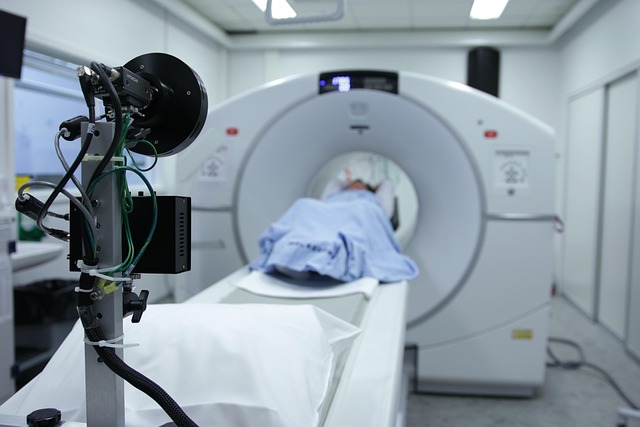
Parents in the northern Gold Coast often seek convenient services nearby, and many find that Qscan imaging in Upper Coomera or similar facilities helps minimize travel time and school absences. Timely scheduling and child-friendly environments help ease the process, leading to quicker tests and more reliable results when children feel safe.
Teams focused on children provide age-appropriate explanations. Engaging language and simple steps assist in helping kids remain calm and still.
Effective preparation is crucial. Brief guides, visual aids, and practice can alleviate stress and enhance the quality of imaging results.
Accessibility and Equity in Community Diagnostics
Accessibility often influences health outcomes. When services are close and affordable, families are more inclined to seek necessary care.
Flexible operating hours are important for working parents. Evening or weekend availability can reduce the likelihood of missed appointments and shifts.
Transportation can present obstacles. Clinics that are accessible via public transportation or within a convenient driving distance contribute to reduced missed appointments.
Culturally appropriate care is essential. Staff members who actively listen, use translators, and respect family preferences help foster trust and improve follow-through.
Early Cancer Detection Enhances Care Options
Detecting cancer early can significantly improve the treatment process, leading to the possibility of less intensive therapies and fewer side effects.
Experts worldwide report that survival rates for children with cancer exceed 80% in many high-income nations, but drop below 30% in lower-income countries. This disparity highlights how vital timely diagnosis and treatment are in affecting outcomes.
Community imaging and primary care can help identify warning signs sooner, including persistent fever, unusual lumps, or unexplained fatigue.
When issues arise, clear referral pathways are essential. Effective communication between providers reduces delays in moving from suspicion to specialist evaluation.
Collaboration with Families and Schools
Parents, caregivers, and educators interact with children daily. Their insights can offer early indications that screenings may not uncover.
Simple assessment tools facilitate this process. Short checklists and symptom tracking can help identify patterns over a period of weeks.
Ongoing communication is vital. Regular updates between healthcare providers and schools help ensure consistent support across home, school, and healthcare environments.
For busy families, achieving quick wins can sustain momentum. Consider implementing:
- One-page summaries outlining results and subsequent steps
- Text reminders for follow-ups and vaccination schedules
- A shared folder for school documentation and care plans
Creating a Child-Friendly Testing Environment
Children are more likely to cooperate when they know what to anticipate. Brief overviews and practice can prepare them for imaging sessions.
Distractions can be effective. Items like storybooks, bubbles, or favorite songs often help maintain a child’s composure during exams.
Comfort is essential. Warm blankets, smaller needles, and numbing cream can help reduce anxiety and discomfort.
Involving parents as partners can make a significant difference. When parents are present and informed, children often feel more secure, leading to smoother testing experiences.
Supporting children’s health is a collaborative effort. By aligning families, schools, and medical providers, early diagnostics can serve as a pathway to timely care.
Every small step contributes. Through access, effective communication, and child-centered processes, more children can obtain answers sooner, allowing them to return to learning and play.
Add Your Comment