Here’s a rewritten version of the content you provided:
Health trends continuously emerge across social media platforms, but many fade away after a short while. However, peptide therapy has stood the test of time, and there's a good reason why it remains a topic of conversation.
Your body naturally produces these small protein segments, which serve as signals to your cells. Therapeutic peptides enhance the natural processes already at work in your body. Now, clinics everywhere are offering peptide therapy for health and recovery as viable treatment alternatives.
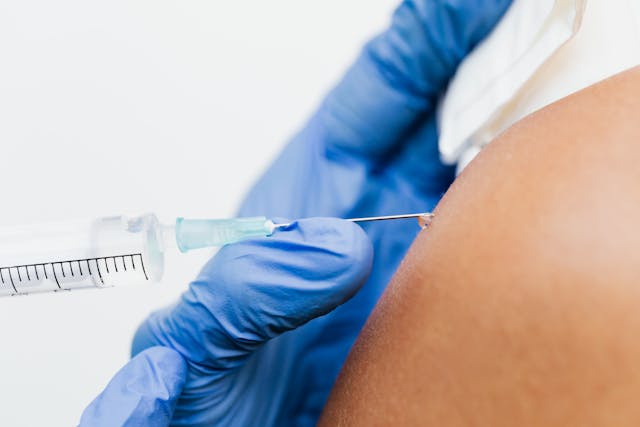
Image Credit: Karolina Grabowska www.kaboompics.com
Understanding Peptide Mechanisms
Consider peptides as text messages that communicate with your cells. These are short chains of amino acids, typically ranging from 2 to 50, and are small enough to easily penetrate cell membranes.
Your body produces thousands of different peptides each day, with each one delivering specific messages. Some instruct cells to release growth hormones while others manage inflammation or regulate sleep cycles. The National Center for Biotechnology Information keeps track of how these compounds regulate various bodily functions.
Researchers have identified which peptides perform which functions, allowing laboratories to create synthetic versions that mimic the natural ones. These treatments effectively leverage the systems that are already operational in your body.
Common Observations Post-Treatment
Experiences with peptide therapy can differ significantly among individuals. While some may witness dramatic transformations, others might experience more subtle changes. However, certain benefits appear to be reported frequently.
Here are some common improvements reported by users:
- Enduring Energy Levels: Participants notice less fatigue during the day as specific peptides enhance energy production within cells.
- Accelerated Muscle Recovery: Post-exercise discomfort diminishes as repair-targeting peptides shorten recovery periods.
- Improved Skin Appearance: Users often see a reduction in fine lines, with increased collagen production.
- Weight Management: Enhanced metabolism helps maintain weight or retain muscle mass while losing fat.
- Enhanced Sleep Quality: Users report feeling genuinely rested upon waking, as specific peptides help regulate sleep patterns.
The FDA oversees the safety of peptide medications, so be aware that results take time; meaningful changes often unfold over weeks or months.
Who is Exploring Peptide Therapy?
Athletes are particularly interested in peptides for performance enhancement, as quicker recovery between demanding training sessions is crucial for them. Building muscle without frequent injuries is an added advantage.
Individuals over 40 may seek out peptides to combat natural declines in growth hormone levels, which contribute to decreased energy and muscle mass.
People suffering from chronic fatigue may also turn to peptide therapy when traditional medical treatments fall short. Peptides offer a potentially valuable alternative.
Additionally, parents who are exhausted from balancing work and childcare are often intrigued by safe, restorative options for boosting energy.
Starting Your Peptide Therapy Journey
Most healthcare providers follow a consistent, albeit thorough, process to begin treatment.
Typical steps include:
- Initial Consultation: Discuss your health history and goals with your provider to determine the best approach.
- Blood Analysis: Hormone levels and related markers undergo testing to identify which peptides may be beneficial.
- Personalized Protocol: Providers select specific peptides and dosages, guiding you on the safe administration techniques.
- Injection Schedule: Many peptides require subcutaneous injections, which you can learn to perform at home or have done at a clinic.
- Regular Check-ins: Ongoing follow-ups are important to monitor your progress and adjust dosages as necessary.
Treatment cycles typically span several months. Remember, significant changes often take time to become noticeable, while initial results may appear within weeks.
Side effects are generally mild, including potential redness at injection sites, occasional mild headaches, or water retention for some individuals. Serious complications are uncommon.
Integrating Peptide Therapy into Your Lifestyle
While peptides can be effective, they aren’t miracle solutions. It's essential to maintain balanced nutrition and regular exercise; neglecting these basics isn’t conducive to achieving results. Optimal outcomes occur when individuals address multiple health aspects simultaneously.
Research on peptides continues to evolve, with exciting new applications emerging regularly. Qualified providers stay abreast of the latest developments and offer realistic expectations for treatment outcomes.
Consider the financial aspect, as insurance typically does not cover peptide therapy; monthly costs can range from hundreds to thousands of dollars. It's vital to weigh whether the potential benefits justify the expense.
Thorough research is important before commencing treatment. Engage with knowledgeable professionals to determine whether peptide therapy is a suitable option for you or if alternative solutions may be more beneficial.
Add Your Comment
This revision aims to enhance the clarity and readability of the content while retaining the essential information from the original text.