Scars are narratives etched on our skin, yet not everyone wishes to carry those reminders indefinitely. Some scars are the result of childhood accidents, while others stem from surgeries or long-lasting acne. As time passes, many find themselves questioning if there are options available to diminish their visible marks. In areas like Beverly Hills, where skincare and self-care are pivotal topics, it’s common for individuals to seek out realistic and attainable treatment options.
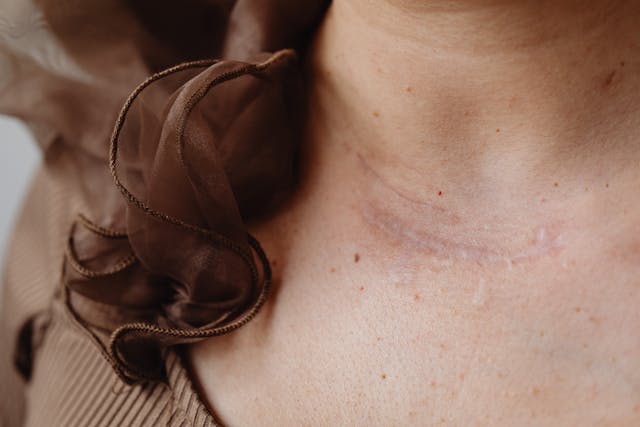
Before scheduling an appointment, many spend time researching scars, their formation, and potential treatments. Evidence from skin treatment studies demonstrates encouraging outcomes. For instance, a recent clinical study on scar therapy indicated that 76% of the 40 participants saw significant improvement in their scars, while others noted enhancements for wrinkles and skin discoloration. This showcases how treatment can effectively target various skin concerns.
If you’re considering professional guidance, here’s what to typically expect during that initial visit, framed in everyday interactions rather than clinical jargon.
- You’ll Start with a Discussion About Your Scar Journey
The consultation usually begins not with treatments but rather with a conversation. A specialist will ask how the scar originated, its duration, and any changes it has undergone.
Discussions regarding longstanding scars often start quietly, sometimes after years of reluctance. Many individuals consider professional options during a broader search for skin solutions, leading them to explore scar removal treatments in Beverly Hills. The focus shifts from concealing the scar to understanding how contemporary procedures can effect change.
When exploring professional skin rejuvenation, Dr. Paul Nassif is frequently mentioned owing to his personalized approach. Instead of a cookie-cutter solution, he assesses factors such as scar type, skin color, and individual healing patterns before proposing a tailored treatment plan, often incorporating advanced laser techniques when suitable.
This thoughtful strategy often alleviates uncertainty, equipping individuals with the knowledge needed to make informed decisions about their next steps.
- A Close Examination of the Scar
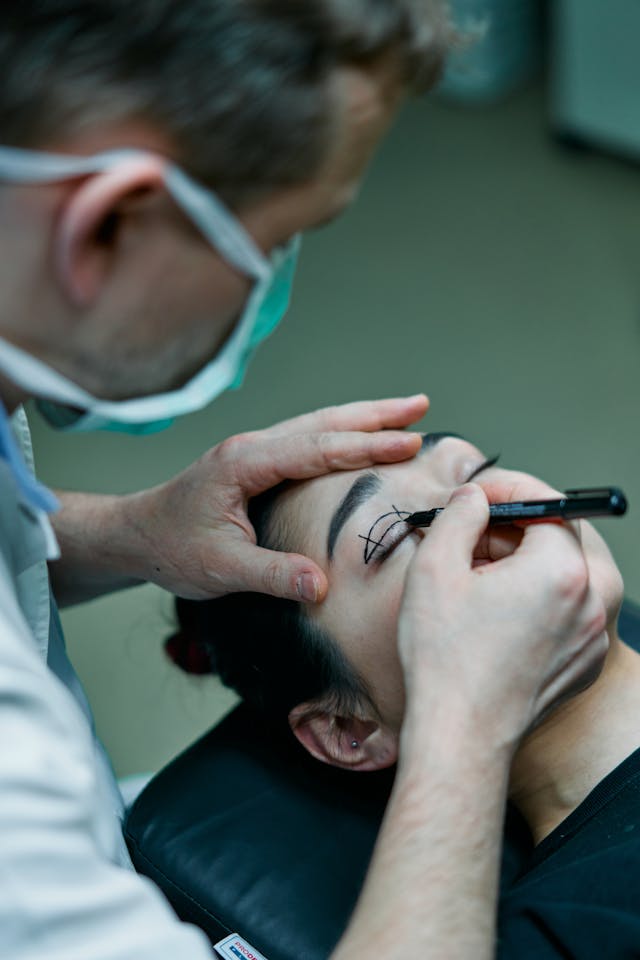
After the initial discussion, the focus shifts to the scar itself. The provider analyzes its characteristics—size, depth, color, and texture—observing whether it is raised, recessed, or has changed over time.
This portion of the consultation is frequently more calming than expected. There are no complicated machines involved at first; instead, it’s largely about observation and thoughtful dialogue, aimed at understanding the scar’s healing process.
In this quiet moment, many experience an unexpected relief—it’s a chance for their concerns to be acknowledged, as someone provides insights and realistic expectations for improvement.
- Understanding That Scars Require Different Treatments
A common misconception is that there’s a universal fix for all facial scars. However, treatments vary based on the scar’s type, age, and skin response. For instance, raised scars versus acne scars and pigmented marks necessitate distinct approaches.
This is where the consultation shifts from speculation to clarity. Instead of immediately suggesting procedures, specialists carefully evaluate the scar’s texture, depth, and healing nature. Treatment options like laser resurfacing, microneedling, or tailored combination techniques are discussed with regard to individual needs rather than enforcing a standardized plan.
As patients delve into facial scar removal options, they often learn that no two scars respond the same way, reinforcing the necessity for a personalized treatment approach, replacing ambiguity with direction and promoting confidence in what lies ahead.
- Realistic Expectations are Established
A significant aspect of the consultation is the dialogue surrounding outcomes. Individuals may arrive with hopes that a scar will vanish completely; however, specialists emphasize focusing on enhancement rather than perfection.
You may discover what changes are genuinely feasible: smoother texture, reduced visibility, or lighter coloration, while also learning what might remain unchanged.
These candid discussions on realistic outcomes help set practical expectations from the outset, ultimately providing encouragement rather than discouragement.
- Your Skin Type and Healing Background are Important
During the consultation, the healing history of your skin often arises. Individuals exhibit varying responses to treatments; for some, even simple interventions can cause distress, while others heal with minimal impact. This history aids in shaping future steps.
Providers may inquire about previous surgeries, acne experiences, or injuries. Small details can significantly influence how your skin reacts to treatment, leading many to realize that their treatment plans are more individualized than they initially believed.
It’s crucial to consider not just the scar but also the overall behavior of your skin throughout this process.
- Your Comfort, Timing, and Lifestyle are Discussed
A consultation encompasses more than the scar itself. It also involves the integration of treatment into your life—how much time you can invest, your daily routines, and whether your scar is a physical discomfort or primarily a cosmetic concern.
These discussions contribute to crafting a feasible plan. Many individuals consult easy-to-understand resources, such as those provided by the American Academy of Dermatology, to familiarize themselves with skin health and scar treatment prior to taking further steps.
This process unfolds at a measured pace, often to the satisfaction of those involved.
- You’ll Walk Away with Knowledge, Not Pressure
Surprisingly, the first consultation typically does not conclude with an immediate decision. Instead, individuals leave feeling more enlightened, equipped with a deeper understanding of their scar, and cognizant of the available options, granting them the opportunity for reflection.
This aspect of the visit fosters comfort, leaving room for inquiries, processing information, and deciding on future actions without feeling hurried. Many appreciate having this space to return home, think things over, and consult with family or close friends as needed.
This thoughtful pause can profoundly influence the decision-making process, helping individuals feel more comfortable and intentional about their choices.
Conclusion
The initial scar removal consultation is not as daunting as it may seem. Rather, it is an opportunity for conversation, assessment, and learning about what possibilities exist for your skin—without any hefty commitments. It’s all about gathering information and receiving guidance.
For many, the most challenging step is often simply entering the clinic for the first time. After that, the experience gradually transforms from overwhelming to insightful, leading toward a greater understanding of their skin. Sometimes, just gaining that knowledge is precisely what individuals seek in the beginning.
Add Your Comment