Have you ever wondered what changes first—the appearance of your eyes or the sensations they experience after a long day? Many people feel this subtle shift without realizing it. Makeup may no longer have the same effect in lifting the lids, photographs may reveal a heaviness that wasn’t there before, and expressions might start to seem more fatigued than intended.
In bustling cities like Houston, this difference can become more apparent over time due to the hyper-social lifestyles of residents.
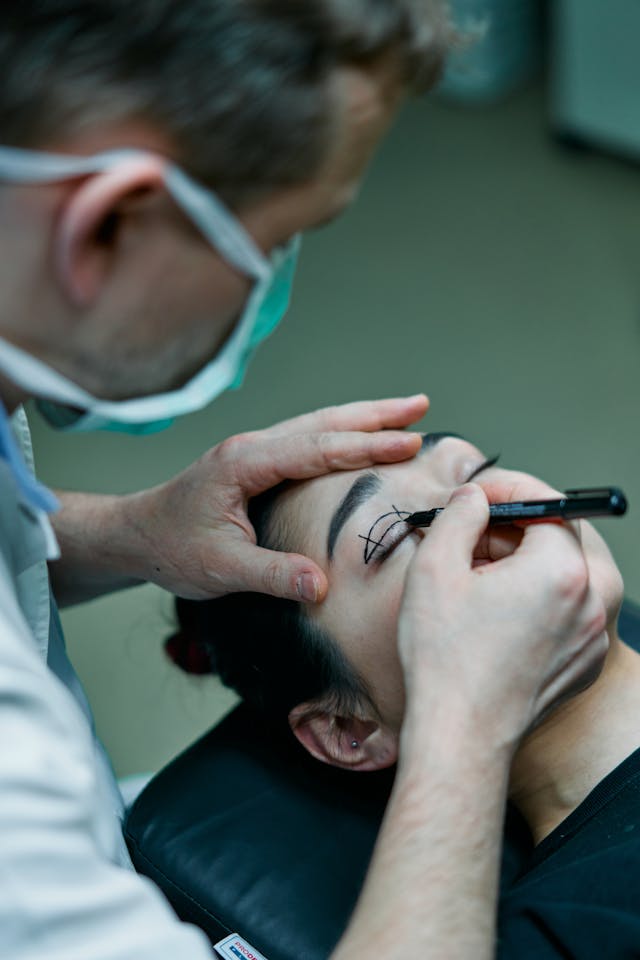
Blepharoplasty, or eyelid surgery, aims to enhance the eye area’s appearance by removing excess skin, redistributing tissue, and restoring a smoother shape around the eyelids. For those considering surgery, the real question often shifts from whether to have the procedure to understanding the details of what it entails.
Here’s an overview of what to expect before, during, and after the surgery.
Before The Surgery
While you might think the process involves a simple consultation and a quick scheduling, it’s more intricate than that, and there’s a good rationale for this complexity.
A Comprehensive Consultation
Many assume that eyelid surgery is just about removing loose skin. However, surgeons assess whether issues like puffiness, drooping lids, or under-eye bags arise from excess fat, stretched skin, or a combination of both, as this distinction drives the entire surgical plan.
When individuals begin exploring options such as blepharoplasty in Houston, they often realize that the decision encompasses more than just appearance, especially if upper lid heaviness is affecting vision or creating a consistently tired look. Surgical planning might involve enhancing contour, adjusting tissue support, or repositioning fat.
This underlines why consultations frequently extend beyond just the eyelids. Surgeons often evaluate how the eyes interact with surrounding facial structures to determine if refinement should enhance aesthetics, functionality, or both. At many surgical facilities, including the Eisenmann Plastic Surgery Center, this broader assessment is part of the standard planning process.
Preparing for Surgery
Preparation is generally straightforward yet specific. You may be advised to discontinue certain supplements or medications that pose a bleeding risk. If applicable, smoking is typically discouraged well in advance.
Many patients find that the preparation phase feels simpler than anticipated, without significant lifestyle changes required, but details do matter. It’s essential to arrange transportation home, create a comfortable recovery space, and plan for a few days with limited activity.
Emotionally, this phase tends to be quiet yet filled with anticipation. It’s common to feel a blend of calm and curiosity.
The Day of Surgery
Blepharoplasty is mainly performed as an outpatient procedure. Depending on the specific case, it may utilize local anesthesia with sedation or general anesthesia.
Incisions are strategically placed along natural eyelid creases for the upper eyelids or just below the lash line for lower ones. When done carefully, these incisions help minimize visible scarring over time.
The actual procedure typically takes one to two hours, and many patients report that the time passes faster than they expect. Afterward, you’ll have a short rest period before going home the same day, with no extensive hospital stay involved—just structured monitoring and clear care instructions.
Post-Surgery
Many have questions about the post-operative experience, as it can shape their overall impression of the surgery. Let’s break down the stages of recovery.
The First Few Days Post-Surgery
The initial phase can be a source of concern. Swelling and bruising are typical within the first week, and you may feel tightness or slight dryness in your eyes. Cold compresses and prescribed ointments can alleviate discomfort.
Your vision might be somewhat blurry due to swelling or ointment use. Recovery time generally lasts around a week, although comfort levels may vary socially. Some feel ready for light outings after a few days, while others may opt to wait until bruising is less noticeable. This recovery period is relatively brief compared to numerous other facial procedures.
Weeks Two to Four: Gradual Healing
As swelling decreases, the eyelid contours begin to improve. They appear smoother, with reduced puffiness and softened upper lid heaviness.
During this time, the changes can feel subtle yet noticeable. Applying makeup becomes easier, under-eye concealer goes on more smoothly, and glasses or sunglasses may sit differently. The results don’t emerge overnight; instead, they unfold gradually. Most sutures, if non-dissolvable, are typically removed within the first week, while incisions continue to fade in the months that follow.
Long-Term Changes
Blepharoplasty does not alter eye color, personality, or overall facial identity; it simply enhances the contour around the eyes. Upper eyelid surgery can make the eyes appear more alert and less shadowy, while lower eyelid surgery can eliminate persistent under-eye bags that don’t improve with sleep or skincare.
The outcome is often described as a “rested” appearance rather than a drastic transformation. Friends may mention that you look rejuvenated without pinpointing the surgery. Results tend to be long-lasting, especially for upper eyelids. Aging continues, but from a more balanced baseline.
Conclusion: A Structured Process with Natural Results
Blepharoplasty follows a defined path: thorough consultation, uncomplicated preparation, controlled outpatient surgery, and a relatively short recovery period. The first week requires patience, with gradual results becoming apparent in the following weeks.
When approached thoughtfully, eyelid surgery does not change who you are; it restores harmony around the eyes, diminishing signs of fatigue while still preserving your natural expression.
For many individuals, particularly in vibrant cities like Houston where personal interactions are frequent, this transformation feels significant—not because it alters their identity, but because it allows their eyes to mirror how they truly feel.
Add Your Comment
This site uses Akismet to reduce spam. Learn how your comment data is processed.