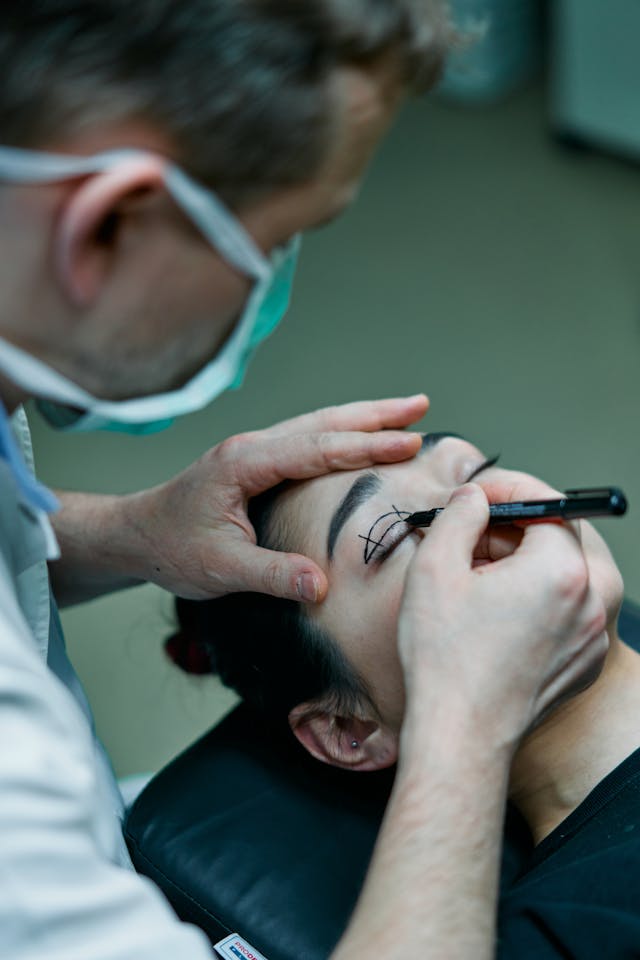
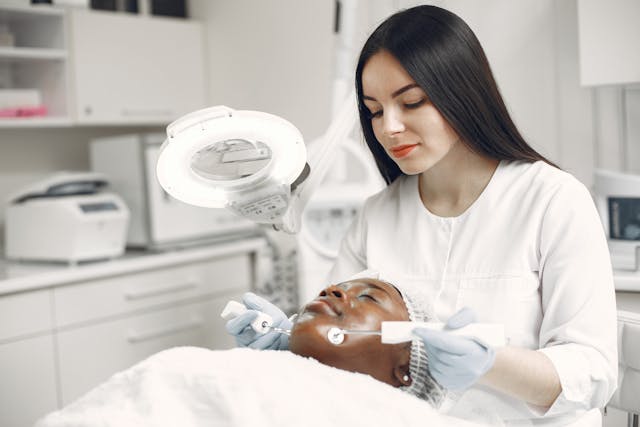
Spend enough time with peers, and you’ll observe an intriguing phenomenon: some faces appear to age rapidly, while others seem to retain their youthful shape for years. This isn’t solely linked to health or lifestyle; aging follows an unpredictable course.
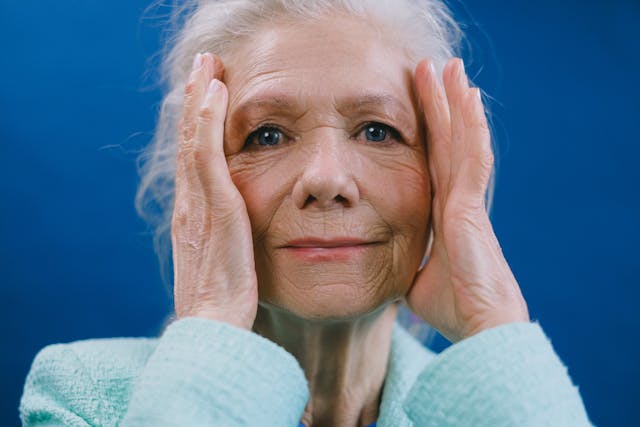
In a sunny place like Scottsdale, where outdoor activities are a part of everyday life, these aging differences can be even more pronounced. The desert climate, along with genetics and daily routines, significantly influences how skin and facial structure develop over time.
The central question many ask is: why do some faces seem to age faster than others? And when is it the right time to consider a facelift?
Below are key biological factors behind the varying aging rates of faces, supported by long-term research on structural facial aging and insights on recognizing when surgical options like facelifts may be appropriate.
Bone Structure and Genetics as Foundational Factors
Facial aging is not uniform. Individual differences in bone structure, ligament strength, and the integrity of fat compartments contribute to why some faces maintain their shape longer while others show signs of aging sooner.
Individuals considering a facelift in Scottsdale often report a gradual yet persistent change in their appearance, such as lower cheeks and a jawline that no longer gives their face the same definition. It’s more of a mechanical shift than purely cosmetic.
This is why anatomical assessments are crucial. Before any intervention is recommended, practices like Caniglia Facial Plastic Surgery thoroughly evaluate factors such as midface descent, jawline support, and the transition of the neck. The aim is to determine if repositioning deeper tissue layers could restore balance without compromising one’s natural identity. Genetics influences the pace of aging; surgical options can help when that pace becomes evident.
Impact of Sun Exposure on Aging
Sunlight doesn’t just lead to wrinkles. Prolonged UV exposure deteriorates collagen and weakens underlying support tissues over the years. In consistently sunny climates, the accumulated damage often goes unnoticed until it’s pronounced.
Freckles may become darker, fine lines more pronounced, and skin may thin. As a result, sagging becomes more obvious as the underlying connective tissue loses its elasticity.
This type of aging can make a person appear older than they are. Cheeks may sag, the jawline can soften, and neck laxity can become apparent ahead of expectations. While protective habits are beneficial, they cannot reverse structural descent once it occurs, prompting individuals to consider whether lifting deeper layers might yield the results that superficial treatments cannot.
Facial Fat Loss and Its Effect on Contours
Younger faces generally have evenly distributed fat pads that facilitate smooth transitions among facial features. As time progresses, these fat pads can shrink and migrate downward.
The outcome is often hollowing beneath the eyes, flattened cheeks, and added weight around the mouth area, creating a look of fatigue even when someone is feeling vibrant. Fillers can help restore some lost volume, but if fat depletion occurs alongside tissue descent, adding volume may not sufficiently address the overall imbalance, as the lower face may still appear heavy despite enhancements.
This is where surgical lifting becomes relevant. By repositioning tissues, it is possible to restore natural contour without excessively filling the face. Subtle changes can have a profound impact.
The Role of Skin Quality in Sagging Visibility
Skin does not age identically for everyone. Thicker skin may mask early signs of laxity, whereas thinner skin reveals these signs swiftly. Factors such as collagen breakdown, hormonal changes, and lifestyle choices influence skin elasticity. Daily challenges like smoking, stress, and inconsistent skincare can hasten visible aging, but natural collagen decline occurs regardless.
Some individuals may first notice looseness around the jawline, while others may observe neck banding or deeper nasolabial folds. These changes emerge gradually and may feel significant when they reach a certain threshold.
Once skin laxity alters the overall facial expression markedly, surgical intervention may offer more sustainable correction compared to repeated temporary solutions.
Muscle Activity and Expression Patterns Contributing to Aging
Facial expressions impart character but also influence aging patterns. Frequent smiling can deepen laugh lines, while consistent brow movements may create horizontal lines. Over time, repetitive muscle activity shapes wrinkle formation and enhances areas that sag more noticeably.
While non-surgical treatments can diminish dynamic lines, muscle activity is not responsible for structural descent along the jawline or neck—those changes occur mechanically, not through muscle movement.
When facial aging influences how the face rests in a neutral position—not just during expressions—individuals start to seek structural solutions rather than surface adjustments.
Weight Fluctuations and Their Impact on Tissue Laxity
Significant fluctuations in weight affect facial support. Weight loss can diminish fat volume, while weight gain might stretch the skin. Recurrent weight changes can stretch connective tissues, making it challenging for the skin to contract back. Consequently, the jawline may appear softer, and the neck may lose definition sooner than anticipated.
While maintaining a stable weight is crucial for long-term surgical results, past weight fluctuations can lead to laxity that cannot fully revert. At this point, lifting procedures may be necessary to restore facial contours.
When to Consider a Facelift
A facelift cannot halt aging; instead, it realigns features. The right moment to explore this option isn’t tied to a specific age but rather to the realization that facial descent has disrupted balance. Lower cheek positions, diminished jawline clarity, and blending of the chin with the neck are signs of this change.
When these alterations impact self-perception, and non-surgical treatments yield only fleeting results, addressing deeper tissue layers through lifting could provide a more enduring solution.
Many express a desire to see their true selves again—less fatigued, less burdened by time’s passage. A well-considered facelift preserves natural expressions while restoring structural integrity.
Conclusion
Faces age at different rates due to a variety of reasons, including genetics, sun exposure, fat loss, skin quality, muscle patterns, and lifestyle choices. While some of these aspects can be moderated, others are beyond control.
As aging transitions from superficial lines to structural descent, treatment approaches need to evolve. While surface solutions may provide temporary respite, deeper repositioning grows increasingly relevant over time.
A facelift isn’t about racing against the clock; it’s about restoring balance after gravity and biological changes have shifted it. Understanding the reasons behind your face’s aging can clarify what kind of support is most suitable, making the decision more proactive and intentional.
Add Your Comment